Learn more about optometrist care in our blog!

Cloudy or blurry vision does not always mean you simply need stronger glasses. As we age, gradual changes inside the natural lens of the eye can lead to cataracts, which may affect clarity, contrast, color perception, and night vision long before vision loss becomes severe.
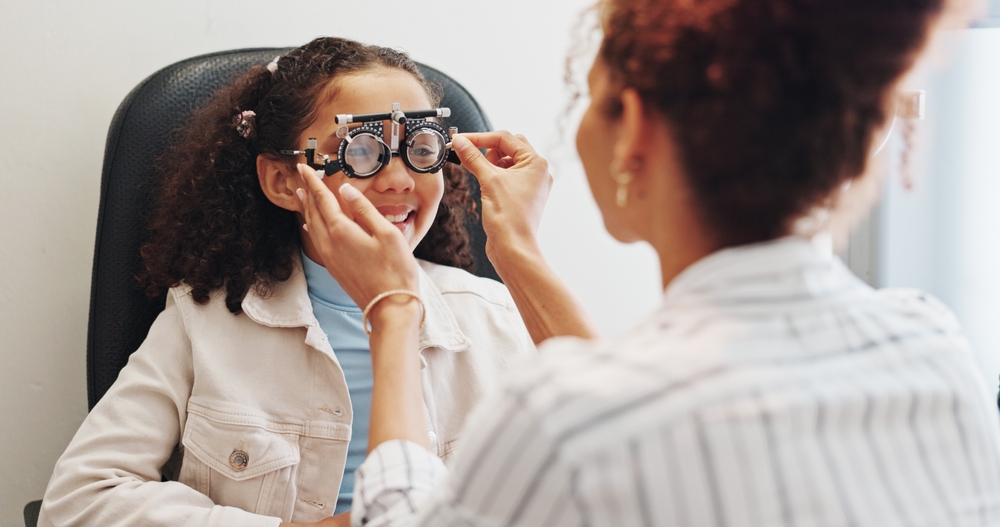
For generations, the standard response when a child became more nearsighted was straightforward: update the prescription and make a stronger pair of glasses. The child could see clearly again, everyone moved on, and the process repeated when the prescription changed the next year.
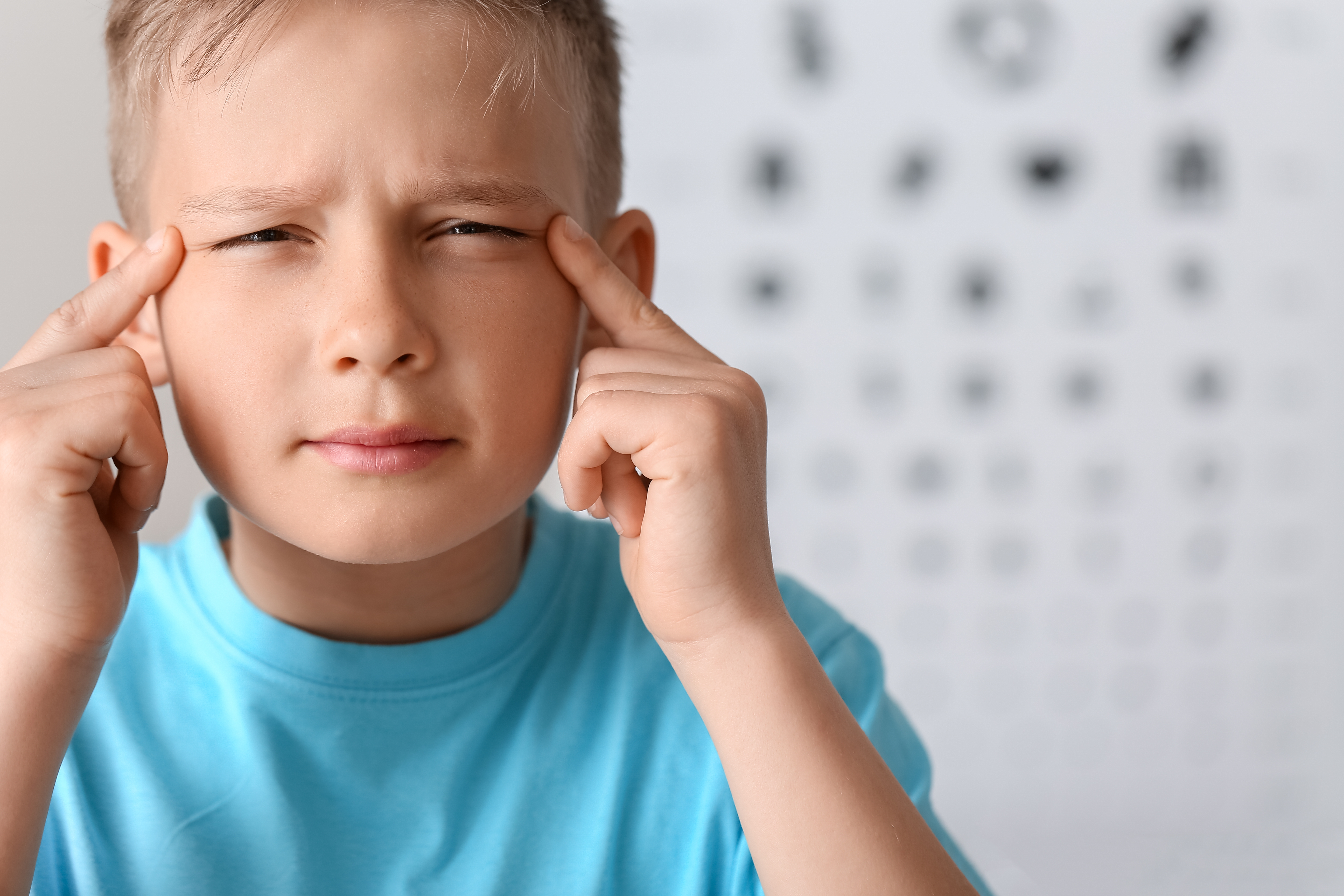
When your child starts squinting at the classroom board again, it may be easy to assume their glasses simply need an update. However, repeated prescription changes can be a sign of progressive myopia, or nearsightedness. Myopia often develops during childhood and can continue becoming stronger as the eyes grow.

The U.S. Surgeon General has issued a new advisory warning families about the potential harms of excessive and unhealthy screen use among children and adolescents. The report covers a wide range of concerns...
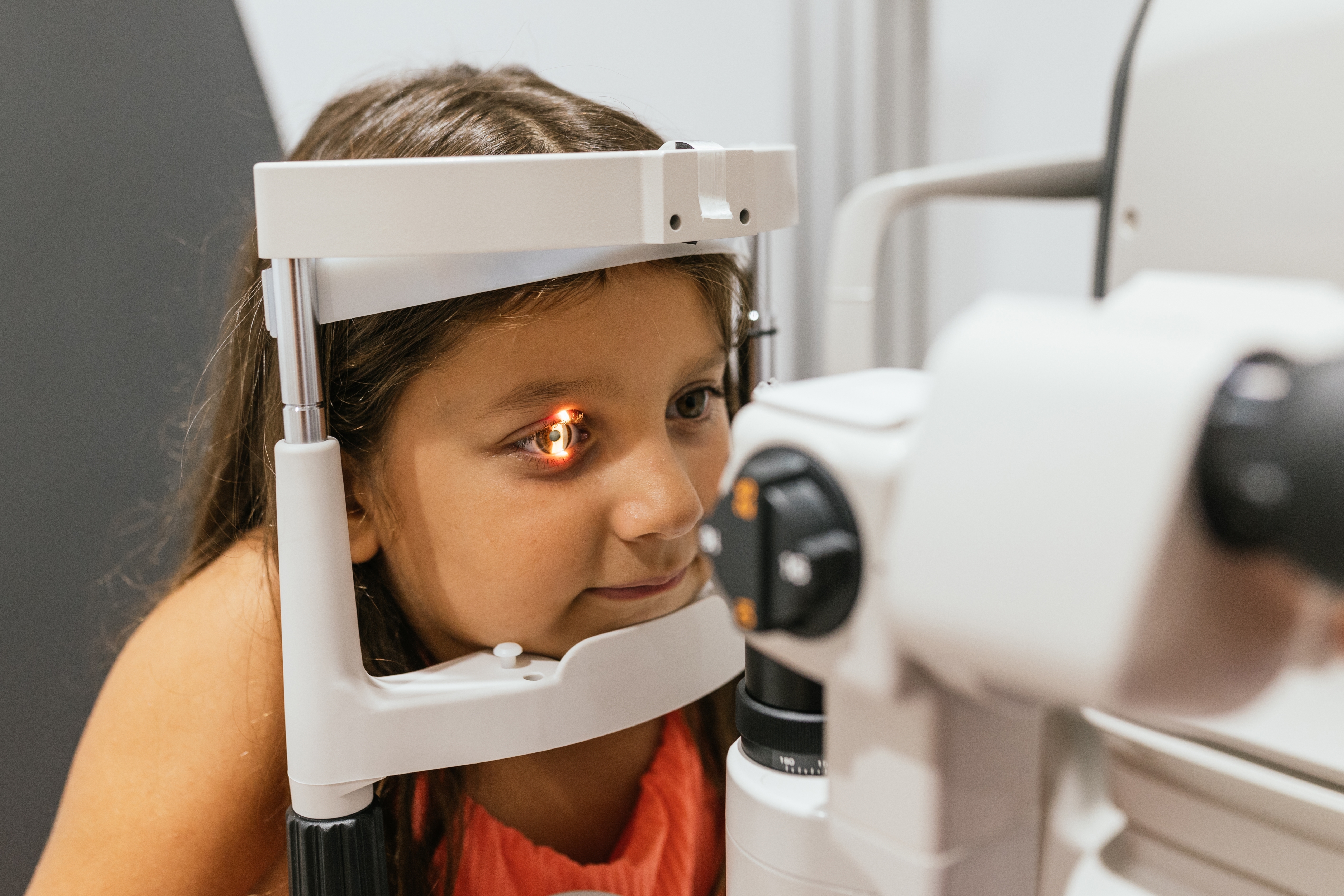
When a child is diagnosed with myopia, or nearsightedness, standard eyeglasses are often the first step. They help distant objecee the board at school, play sports, and move through daily activities. However, regular single-vision glasses primarily correct blurry vision. They do not actively address the eye growth that causes childhood myopia to worsen.

Blurry vision with contact lenses can be frustrating, especially during summer when you are busy with travel, outdoor activities, sports, and long days in the sun. If your contacts used to feel clear but now seem inconsistent, uncomfortable, or foggy, it may be time to schedule a new contact lens exam.
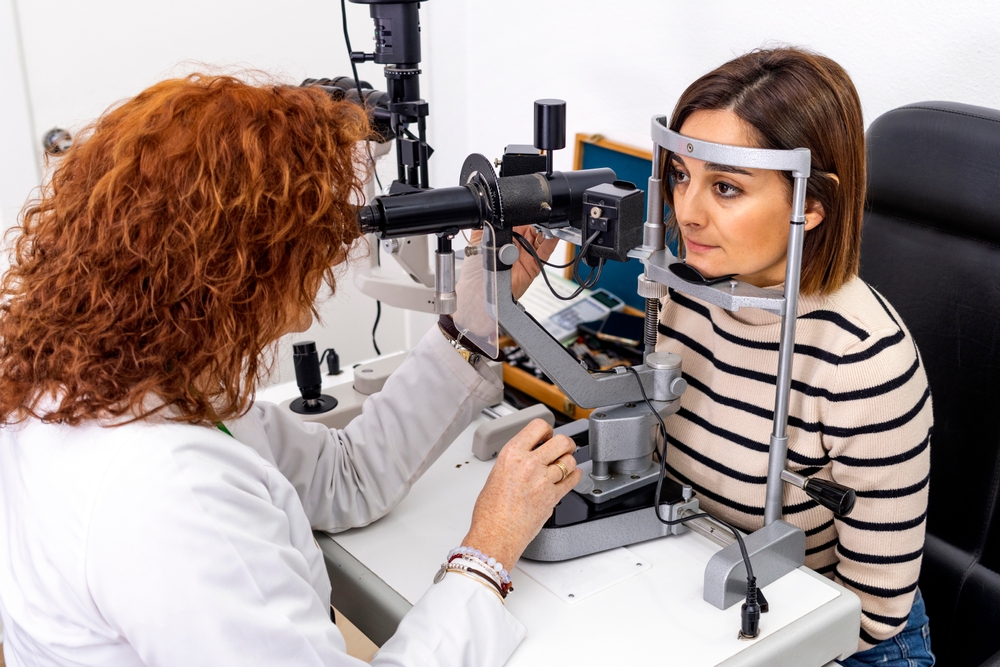
A comprehensive eye exam is more than a quick vision check. It gives us a detailed look at how well you see, how your eyes work together, and whether there are early signs of eye conditions that may not cause obvious symptoms right away. At Central DuPage Vision Center, we use routine eye exams to help protect both your vision and your long-term eye health.
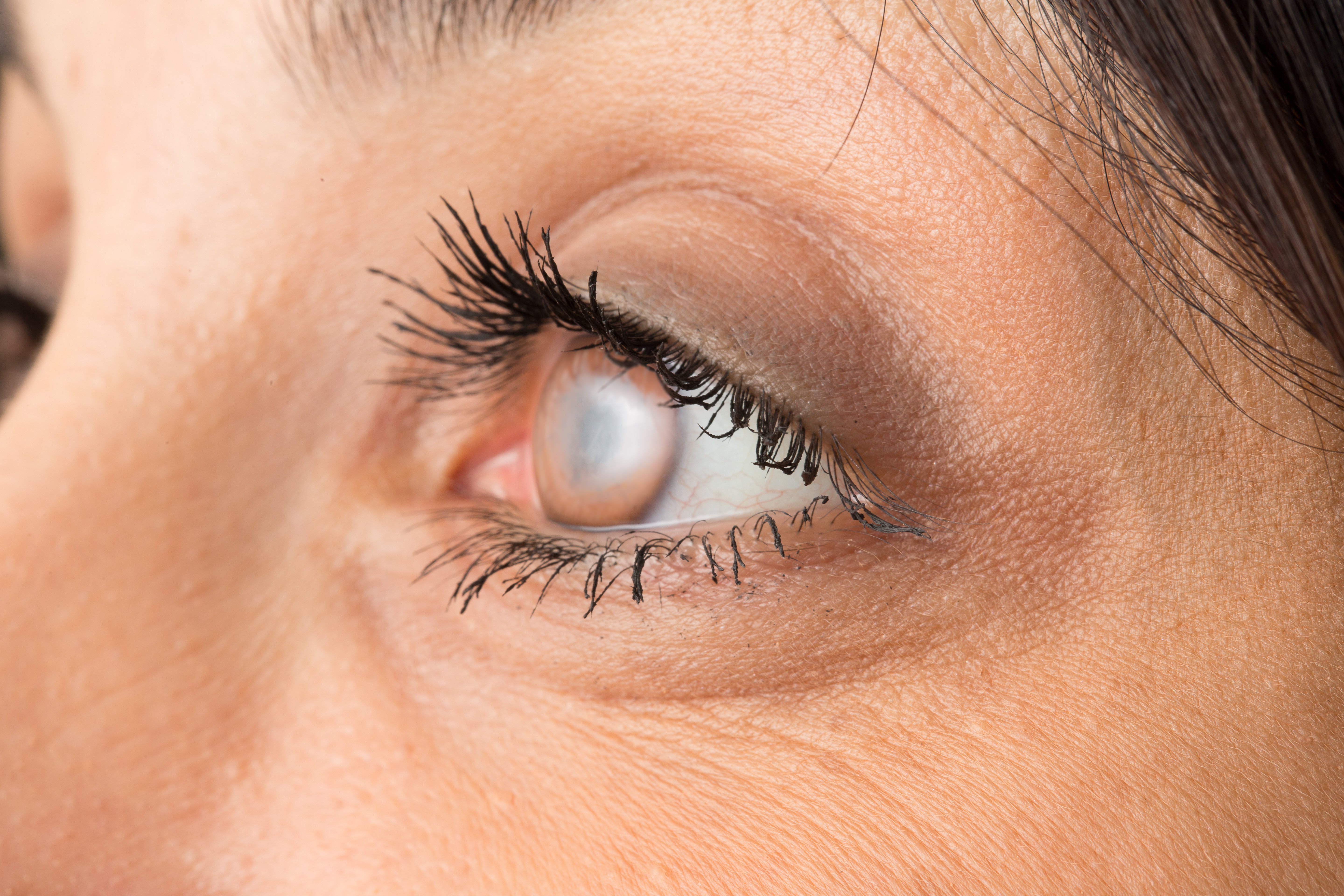
Cataracts are one of the most common age-related eye conditions, but many people are unsure why they happen or whether they are at higher risk. A cataract develops when the eye’s natural lens becomes cloudy, making vision look blurry, dull, or hazy. At Central DuPage Vision Center, we help patients in Winfield understand cataracts early so they can protect their sight and know when treatment may be needed.
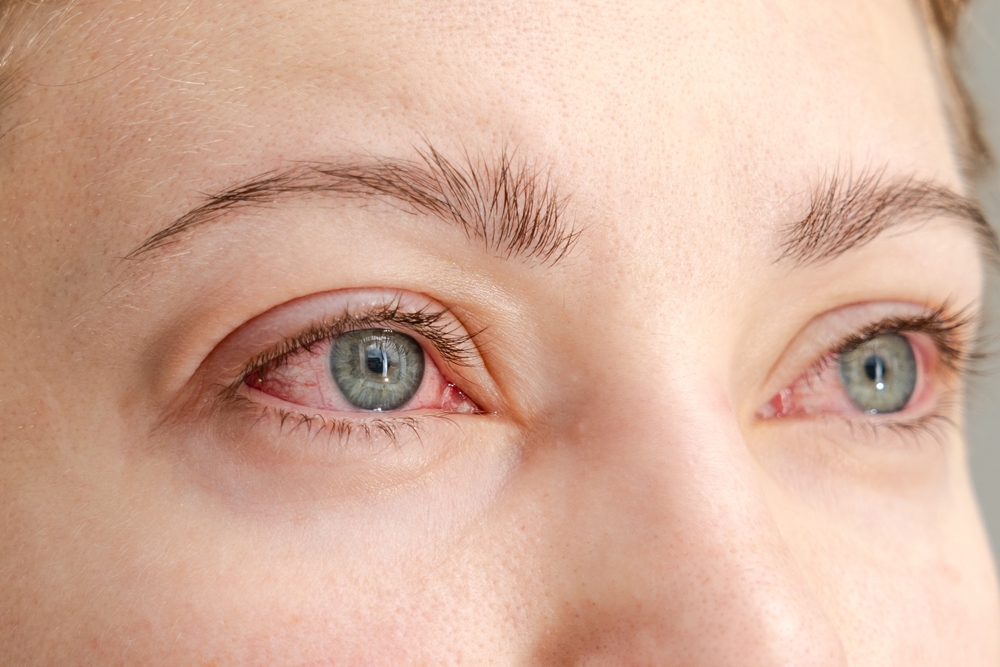
When patients think about dry eye, they often focus on not having enough tears. In many cases, the bigger issue is poor tear quality. A healthy tear film needs a balanced oil layer to keep tears from evaporating too quickly. When that oil layer is disrupted, the eyes can feel dry, gritty, watery, or irritated. Meibomian Gland Dysfunction, or MGD, is a leading cause of evaporative dry eye, and LipiFlow is designed to treat that problem at its source.

Myopia (nearsightedness) is becoming increasingly common among children, and it’s progressing at younger ages than ever before. While glasses can correct blurry distance vision, they don’t slow down the progression of myopia. Left unmanaged, worsening myopia can increase the risk of serious eye health concerns later in life, including retinal detachment, glaucoma, and macular degeneration.

© 2026 Central DuPage Vision Center. All rights Reserved. Accessibility Statement - Privacy Policy - Sitemap
Powered by: