


Diabetes can affect your eyesight even when your vision seems perfectly normal. Over time, elevated blood sugar can damage the small blood vessels in your retina, increasing your risk of diabetic retinopathy and other eye conditions. Regular diabetic eye exams help detect these changes before they threaten your vision. At Central DuPage Vision Center in Winfield, IL, we provide comprehensive diabetic eye care for patients throughout DuPage County. Here's what you can expect during your appointment.
Your diabetic eye exam begins with a review of your medical history. We'll discuss how long you've had diabetes, your blood sugar management, current medications, and any vision changes you've experienced.
To help us better understand your eye health, consider bringing:
• Your most recent A1C results, if available
• A list of medications you're currently taking
• Your current glasses or contact lens prescription
• Information about previous eye exams or diagnosed eye conditions
• Any questions or concerns about your vision
This information helps us personalize your examination and identify potential risk factors for diabetes-related eye complications.
Next, we'll evaluate how clearly you see at different distances. This helps us determine whether your prescription has changed or whether diabetes may be affecting your vision.
We'll also assess your eye pressure as part of your overall eye health evaluation. People with diabetes have an increased risk of certain eye conditions, including glaucoma, making regular monitoring particularly important.
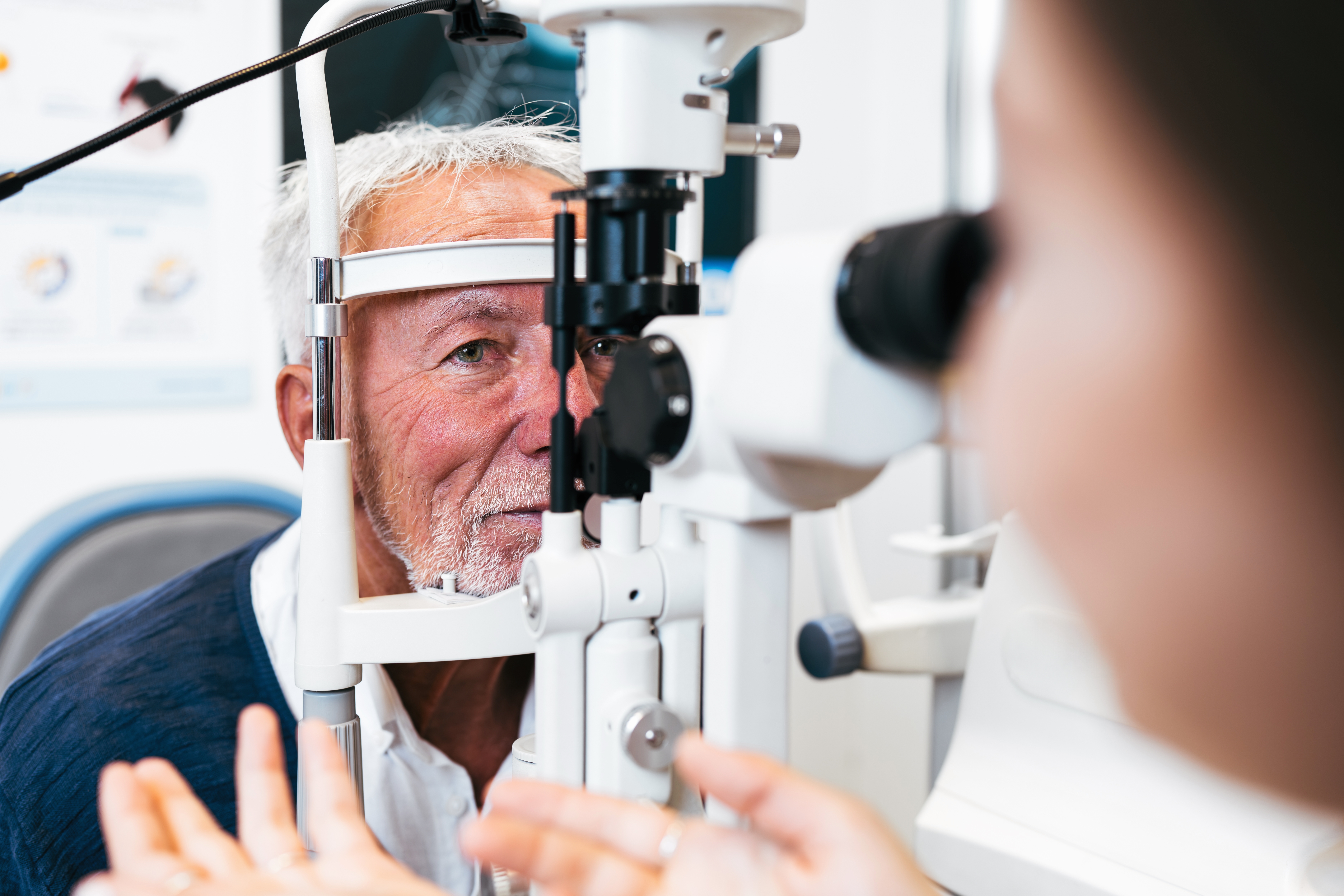
One of the most important parts of a diabetic eye exam is examining the retina, the light-sensitive tissue at the back of your eye. We typically use special eye drops to dilate your pupils, allowing us to examine the retina and optic nerve more thoroughly. During this examination, we look for signs of diabetic retinopathy, including damaged blood vessels, bleeding, or swelling.
Dilation may temporarily cause blurry near vision and sensitivity to light, so consider bringing sunglasses and arranging transportation if needed.
At Central DuPage Vision Center, we use advanced diagnostic technology to evaluate eye health and monitor potential changes. Depending on your individual needs, we may recommend optical coherence tomography (OCT) or digital retinal photography. OCT provides detailed cross-sectional images of the retina, helping identify structural changes and fluid buildup associated with diabetic macular edema.
Retinal photographs help us document your eye health and compare findings during future examinations. These technologies support early detection and ongoing monitoring of diabetes-related eye conditions.
After completing your examination, we'll explain our findings and discuss whether additional testing or monitoring is necessary. If we identify signs of diabetic eye disease, we may recommend closer monitoring or refer you to a retinal specialist for further evaluation and treatment.
Annual diabetic eye exams are generally recommended, although your doctor may adjust the schedule based on your eye health, diabetes management, and previous findings. We'll help you understand when your next examination should take place.
Schedule your diabetic eye exam at Central DuPage Vision Center and take an important step toward protecting your vision. Visit our office in Winfield, IL, or call (630) 349-4948 to book an appointment today.

© 2026 Central DuPage Vision Center. All rights Reserved. Accessibility Statement - Privacy Policy - Sitemap
Powered by: